GenAI Engineer | Data Scientist

Adam Tang — I turn complex ideas into working products.

I turn complex requirements into reliable AI, data, and software products—combining engineering depth with clear delivery.

Research rigor Product delivery Cross-cultural teams
Location Taipei, Taiwan
Focus GenAI, Data Engineering, Product Strategy

8+ yrs

building software & data products

GenAI

LLMs, RAG, Agents, LangChain, LangGraph

Engineering

Python, FastAPI, Flask, Docker, CI/CD

Leadership

Product ownership, agile delivery, mentoring

Experience across research & industry

Organizations and research ecosystems from my professional journey.

Fraunhofer EMI
cytena Bioprocess Solutions now Leadgene Biosolutions
Taiwan Tech
INATECH
HERAKLION
Aurore Collection

What I do

High-impact focus areas

From architecture to delivery, I keep teams aligned on outcomes, safety, and speed.

01
Project Management

Agile delivery and requirements

Scrum, Kanban, and clear scope control.

See tactics
  • Agile management and requirements refinement
  • Scrum and Kanban workflows with stakeholder updates
  • Risk tracking and proactive issue resolution
02
Sustainability

Resilience & renewable systems

Energy, sustainable materials, and resilience engineering.

See tactics
  • Renewable energy and lifecycle analysis
  • Sustainable material assessment
  • Resilience engineering approaches
03
Web development

Full-stack product build

Frontend, backend, data, and deployment.

See tactics
  • APIs, servers, Dockerized services
  • Databases and RESTful interfaces
  • Data space integrations
04
Knowledge Engineering

Semantic technologies

Ontology and graph-first data products.

See tactics
  • Ontology design and knowledge graphs
  • Graph databases and SPARQL pipelines
  • Semantic modeling for search and insight

Education

Academic foundation

A chronological path from mechanical engineering to sustainable systems; expand each milestone for details.

  1. BSc

    Sep 2012 - Jun 2016 | New Taipei City, Taiwan

    BSc Mechanical Engineering - Chang Gung University

    Overall grade: 1.3 (German grade), equiv. 3.8/4.0. Dean's List: Feb 2014, Sep 2014, Feb 2015.

    Foundation in mechanics, materials, and engineering workflows.

  2. MSc

    Feb 2018 - Aug 2018 | Taipei, Taiwan

    MSc Graduate Institute of Automation and Control - NTUST

    Completed all required courses; received admission to Freiburg to continue thesis and degree.

    Strengthened control systems, automation, and applied research skills; accepted to continue MSc thesis in Freiburg.

  3. MSc

    Oct 2018 - Feb 2021 | Freiburg, Germany

    MSc Sustainable Systems Engineering - University of Freiburg

    Master Thesis: 1.0 (German grade), equiv. 100/100, 4.0/4.0.

    Overall Grade: 1.7 (German grade), equiv. 91/100, 3.6/4.0.

    Focused on sustainable systems, materials, and data-driven analysis.

Credentials

Licenses & Certifications

Snapshot of current credentials. Filter for what you care about.

Experience

Recent impact

Quick meta view; open any role to see responsibilities and outcomes.

2012–Present · 11 roles
01

Nov 2025 - Present | Taipei, Taiwan

Independent AI & Software Engineer — Freelance / Project-based

Freelance / Independent

Taiwan-based freelance and independent engineering practice delivering client-requested AI/software systems while building products and R&D tools across GenAI, computer vision, full-stack platforms, quantitative research, and data automation.

Key work
  • Client-requested systems: Production Planning Copilot; 888 Card Market Platform; Multi-box UDI Data Matrix Decoder; UDI Shipping Assistance System; and the ongoing T93.Lab Collection & Market Platform.
  • Independent products & R&D: T93.Lab Portfolio Analytics Workspace, quan — Taiwan Quant Research Toolkit, and PSA / SNKRDUNK card-price automation with Telegram workflows.
  • Owned solution architecture through delivery across agentic RAG, Python/FastAPI services, Vue/Node full-stack apps, OpenCV/GS1 workflows, Supabase/Postgres, Cloudflare/Docker, market-data APIs, and automated testing.
  • Turned ambiguous operational needs into testable workflows with authentication, auditability, fallbacks, caching, and CI/CD rather than one-off prototypes.
02

Oct 2021 - Oct 2025 | Freiburg

Backend Developer & Data Scientist — Fraunhofer EMI

Full-time

Building GenAI assistants, knowledge graphs, and data pipelines for material life-cycle analysis and production planning.

Key work
  • Built RDF/OWL ontologies and knowledge graphs for additive manufacturing LCA
  • Ran SPARQL pipelines in GraphDB with Python ETL for downstream analytics
  • Delivered RESTful Flask services in Docker with CI/CD and API integrations
  • Supervised a master student, led agile requirements, and Jira-based delivery
03

Mar 2023 - Jul 2024 | Taipei

Co-founder & CEO — Aurore Collection

Founder

Managed an e-commerce company end-to-end: management, site build, marketing, and business model.

Key work
  • Launched the site, payments, fulfillment, and analytics stack
  • Drove growth via marketing experiments and conversion tracking
  • Led a lean remote team and vendor partners
04

Apr 2021 - Sep 2021 | Freiburg

Research Assistant (Mechanical) — Fraunhofer EMI

Research

Impact and delamination modeling for CFRP configurations with end-to-end simulation workflow.

Key work
  • Built LS-DYNA models, meshing, and parameter tuning
  • Analyzed results and visualized insights in Python
  • Created geometry in Autodesk Inventor and HyperMesh
05

May 2020 - Dec 2020 | Freiburg

Research Assistant (Mechanical) — Fraunhofer EMI

Research

Failure modeling for hybrid lap joints under tensile loading.

Key work
  • Designed and meshed components for LS-DYNA studies
  • Converted simulation outputs and automated calculations in Python
  • Visualized fracture mechanics results for reporting
06

May 2020 - Dec 2020 | Taipei

Research Assistant (Internship) — cytena Bioprocess Solutions

Internship

Supported bioprocess hardware assembly and electronics for microbioreactors.

Key work
  • Tuned and assembled microbioreactors and docking stations
  • Soldered microcontrollers and components on control boards
07

Dec 2019 - Mar 2020 | Freiburg

Student Research Assistant — Inatech, SSE

Research

Simulation and experimental support for torsion and fatigue studies.

Key work
  • Built LS-DYNA models for torsion tests and analyzed results in Python
  • Ran cyclic stress tests, automating stepper motor control in Python
  • Assembled experimental setups and soldered components
08

Feb 2018 - Aug 2018 | Taipei

Student Research Assistant - Taiwan Tech

Research

Spectrum data processing for microalbumin urine tests.

Key work
  • Built baseline correction and signal-processing routines in MATLAB
  • Analyzed raw spectroscopic datasets and reported findings
09

Sep 2012 - Sep 2018 | Taipei

Tutor — Freelance

Teaching

Tutored math, physics, and chemistry while supporting students’ applications.

Key work
  • Taught STEM subjects and edited curricula for junior high and high school
  • Guided admission documents, oral exams, and personal statements
  • Supported special education needs and group learning programs
10

Oct 2015 - Jan 2016 | Taoyuan

Student Research Assistant - CGU

Research

Supported lab operations and PDMS sensor fabrication research.

Key work
  • Handled documentation and equipment maintenance
  • Learned PDMS capacitive pressure sensor manufacturing steps
11

Jul 2015 - Aug 2015 | New Taipei City

Mechanical Engineer Intern - Yiming Corporation

Internship

Shop-floor support for switchboard parts manufacturing.

Key work
  • Coordinated client requests across drilling, stamping, plating, and welding steps
  • Performed repeat testing and revisions before supervisor review

Selected projects

Shipping AI, data & engineering products

Scan the portfolio, then open any project for ownership, architecture, technical decisions, and outcomes.
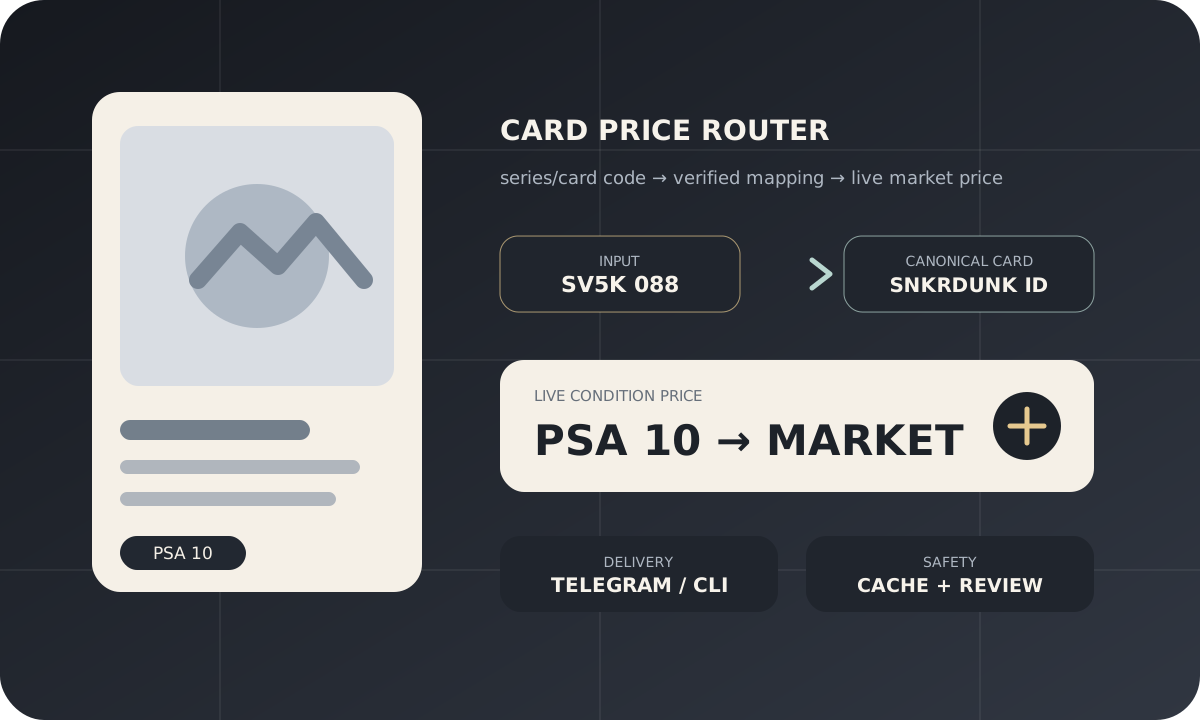
PSA / SNKRDUNK Card Price Automation — Representative project view
01 Data Active automation

Jul 2026 - Present

PSA / SNKRDUNK Card Price Automation

Multi-route card identification and live PSA10 pricing workflow with Telegram UX, verified mappings, caching, and resilient fallbacks.

PythonTelegram BotSNKRDUNK APIsPlaywrightRapidFuzzBeautifulSoup+4
Open case study

Role & ownership

Data automation & integration engineer

Status

Active automation

Problem to solve

PSA API quotas and browser security checks make certificate lookup unreliable, while code-only marketplace search can produce ambiguous card matches. The workflow needed safer identification routes without pretending blocked data sources were dependable.

What I built

  • Designed a route hierarchy that prioritizes direct SNKRDUNK IDs, verified mappings, and exact series/card-code matches before falling back to PSA metadata or browser-assisted lookup.
  • Built a Telegram-first workflow that returns card identity, images, grading-condition prices, market context, and multilingual responses for daily collection use.
  • Added mapping and history caches, batch summaries, CSV/JSON outputs, diagnostics, and explicit low-confidence or security-check states instead of silently accepting weak matches.

Technical implementation

  • Python services use httpx/requests, BeautifulSoup, RapidFuzz, structured mappings, and SNKRDUNK product/condition endpoints for matching and live pricing.
  • Playwright is retained as a user-controlled browser fallback for public PSA certificate pages; the workflow detects Cloudflare/security pages and does not treat them as certificate data.
  • Telegram commands, route caches, batch processing, environment-based configuration, and deployment profiles turn the research script into a reusable operational tool.

Architecture path

  1. 01 Input

    Series/card code, SNKRDUNK URL/ID, PSA certificate number, or Telegram command enters the router.

  2. 02 Resolve

    Verified mappings and exact code matching resolve the canonical SNKRDUNK card; PSA metadata is a fallback rather than the default dependency.

  3. 03 Price & enrich

    SNKRDUNK endpoints return card metadata, thumbnails, condition prices, and current PSA10 market data.

  4. 04 Deliver & cache

    Telegram/CLI output, CSV/JSON summaries, route caches, and diagnostics provide a repeatable user workflow.
Outcome & evidence

  • Reduced dependence on fragile PSA lookups by making series/card-code and verified mapping routes first-class inputs.
  • Separates canonical card mapping from live price retrieval so cached identity does not become stale market pricing.
  • Turns failures into explicit review states and diagnostics, improving trust when external sites rate-limit or challenge automated requests.
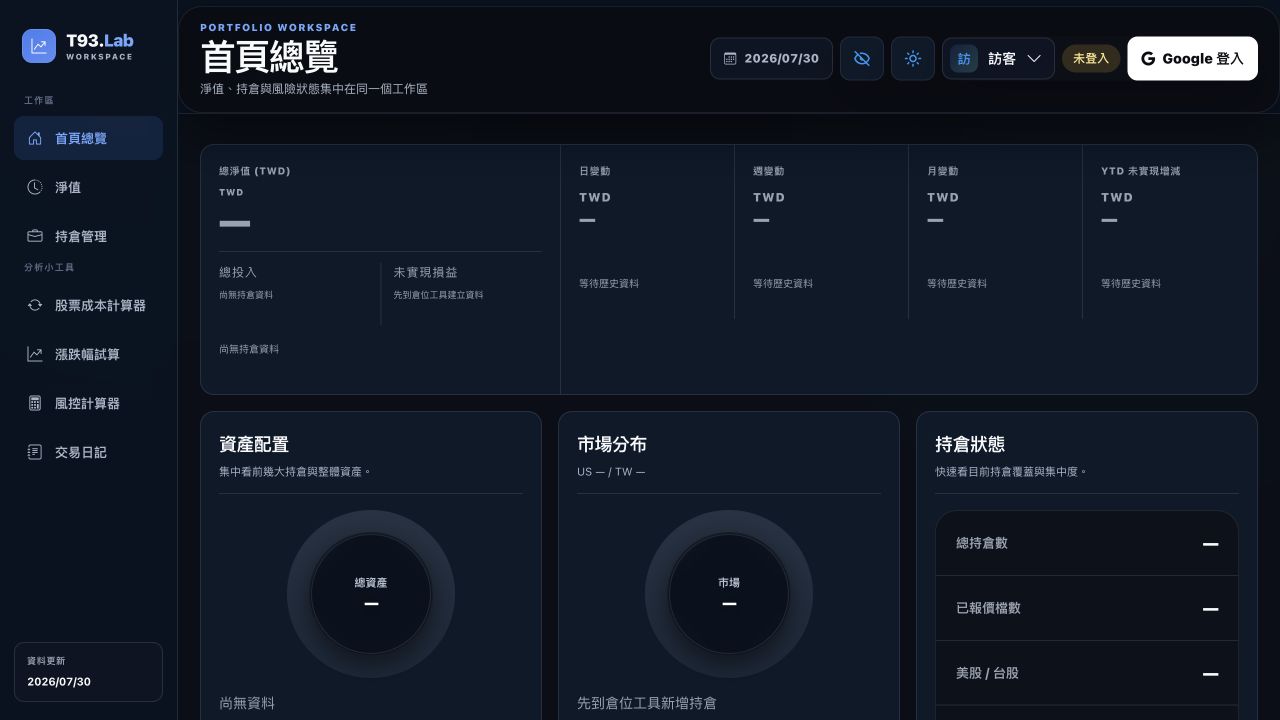
T93.Lab Portfolio Analytics Workspace — Representative project view
02 Data Active build

Jun 2026 - Present

T93.Lab Portfolio Analytics Workspace

Private Taiwan/US portfolio workspace for net worth, positions, DCA, risk, journals, and cloud-synced market data.

Cloudflare PagesSupabaseJavaScriptPostgresOAuth+3
Open case study

Role & ownership

Product owner & full-stack engineer

Status

Active build

Problem to solve

Personal investment data was fragmented across devices, spreadsheets, market-data sources, and separate Taiwan/US workflows. The product needed a single private workspace without exposing credentials or portfolio data in the browser.

What I built

  • Designed the product model for net worth, positions, lots, DCA, realized and unrealized P&L, transfers, and trading journals.
  • Built Google OAuth access control, cross-device cloud synchronization, admin approval, and local-to-cloud migration.
  • Implemented edge APIs for quotes, symbol search, position selling, and incrementally cached portfolio history.

Technical implementation

  • Native HTML/CSS/JavaScript frontend deployed on Cloudflare Pages with Pages Functions as the backend-for-frontend.
  • Supabase Auth, Postgres, PostgREST, row-level access patterns, and transactional RPC for position sales.
  • Market-data adapters for Nasdaq, Alpha Vantage, Finnhub, TWSE, TPEx, and USD/TWD exchange rates, with fallback logic and route tests.

Architecture path

  1. 01 Experience

    Responsive workspace, net-worth view, position manager, risk calculators, and journal.

  2. 02 Identity & sync

    Supabase Google OAuth, allowlist approval, cloud-sync layer, and localStorage migration.

  3. 03 Edge services

    Cloudflare Pages Functions validate sessions and orchestrate market, sell, and history APIs.

  4. 04 Data & jobs

    Supabase Postgres/RPC plus scheduled incremental history updates and provider fallbacks.
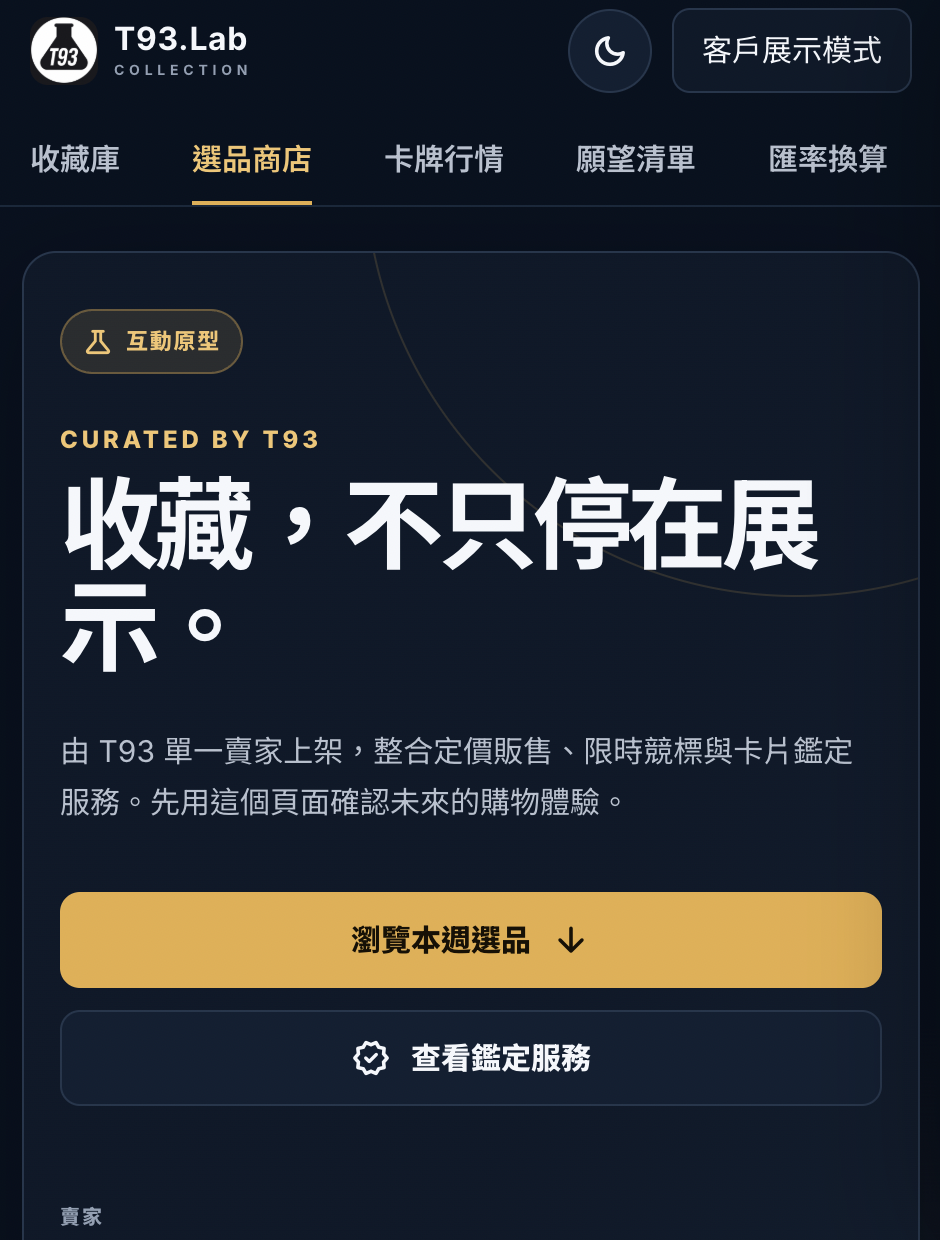
Outcome & evidence

  • Unified Taiwan and US holdings, liabilities, cash flow, P&L, and asset curves in one cross-device workspace.
  • Supports both transaction lots and average-cost DCA while preserving a common sell and reporting workflow.
  • Keeps market-provider secrets and T93 collection-value integration on the server side.
T93.Lab Collection & Market Platform — Representative project view
03 Web Ongoing client product

Jul 2025 - Present

T93.Lab Collection & Market Platform

Notion-powered collectible vault with valuation analytics, private access, scheduled publishing, market lookup, and commerce prototypes.

PythonJinja2Notion APISupabaseCloudflareGitHub Actions+4
Open case study

Role & ownership

Product owner & full-stack engineer

Status

Ongoing client product

Problem to solve

A private trading-card collection needed to work as a searchable collection, valuation dashboard, wishlist, and member-only market experience while keeping editorial data easy to maintain.

What I built

  • Built the static-site generation pipeline from Notion data, including cached exchange rates and scheduled publishing.
  • Designed collection filters, valuation analytics, wishlists, market lookup, shopping, auction, cart, and grading-service prototypes.
  • Added Supabase Google identity, independent authorization, admin review, and protected aggregate market APIs.

Technical implementation

  • Python/Jinja2 build process converts Notion content into deployable static pages and reusable partials.
  • Cloudflare Pages and Functions protect private routes and expose server-side APIs without leaking service credentials.
  • Supabase Auth/Postgres provides identity and access boundaries; GitHub Actions rebuilds hourly and refreshes market data on a schedule.

Architecture path

  1. 01 Content source

    Notion databases hold collection metadata, research notes, prices, and wishlists.

  2. 02 Build pipeline

    Python fetches and normalizes records, caches exchange rates, and renders Jinja2 pages.

  3. 03 Delivery

    GitHub Actions publishes the generated site to Cloudflare Pages on schedule or demand.

  4. 04 Private services

    Cloudflare middleware/Functions and Supabase Auth/Postgres protect users, admin data, and aggregate APIs.
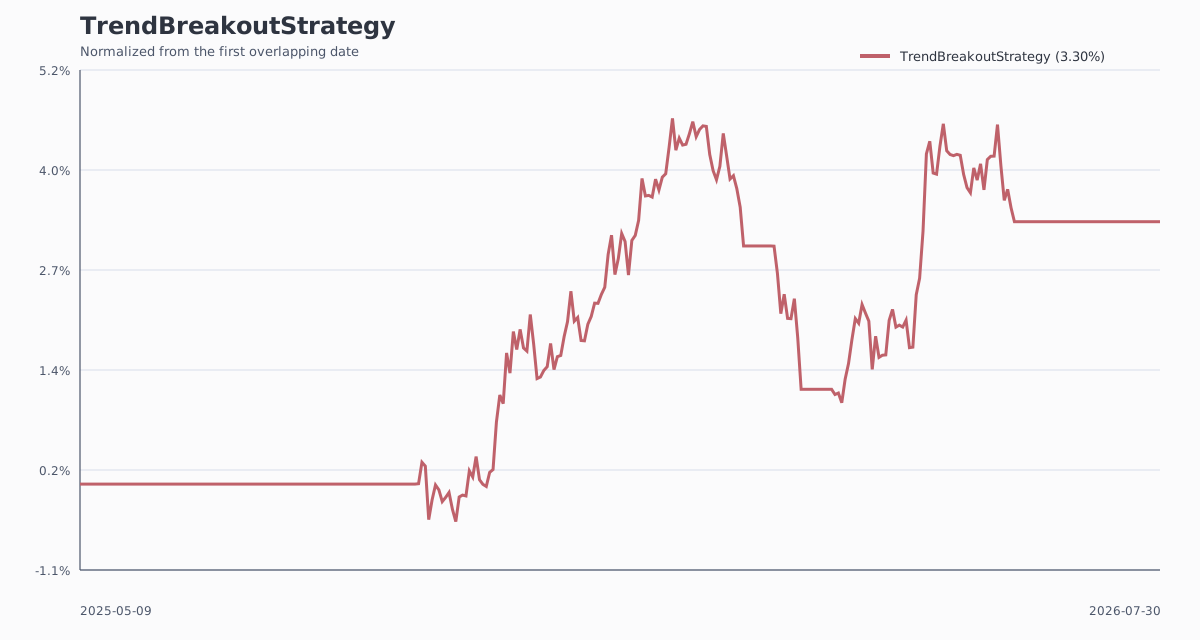
Outcome & evidence

  • Created one product surface for collection browsing, value analysis, wishlists, and authenticated market demos.
  • Separated editorial collection data from transaction-oriented architecture so commerce features can evolve safely.
  • Connected aggregate T93 market value to the stock workspace through a server-only API.

Project links

quan — Taiwan Quant Research Toolkit — Representative project view
04 Data Research framework

Jul 2026 - Present

quan — Taiwan Quant Research Toolkit

Python research-to-paper-trading framework with Taiwan market data, cost-aware backtests, walk-forward validation, and Shioaji adapters.

PythonBacktraderShioajiPandasPytest+3
Open case study

Role & ownership

Quant research & platform engineer

Status

Research framework

Problem to solve

Taiwan-market research needs consistent data, realistic costs, repeatable backtests, strong validation, and a safe path from strategy output to paper execution before any live deployment.

What I built

  • Designed a layered Python package and CLI for data preparation, strategy research, reporting, and broker-neutral execution.
  • Implemented Taiwan futures cost models, continuous-contract helpers, strategy comparison, parameter sweeps, and walk-forward validation.
  • Integrated paper execution and Shioaji adapters with market-hours, expiry, order-size, kill-switch, rate-limit, and reconciliation guards.

Technical implementation

  • Canonical OHLCV pipeline with Yahoo Finance, FinMind, TAIFEX, local CSV, and Shioaji real-time adapters.
  • Backtrader event-driven research with eleven strategy templates, external strategy loading, metrics, CSV/JSON reports, and SVG charts.
  • Target-position runtime separates strategy decisions from broker orders so the same logic can move from dry-run to simulation safely.

Architecture path

  1. 01 Market data

    Downloaders and adapters normalize OHLCV, futures contracts, calendars, and live ticks.

  2. 02 Research

    Strategies run through Backtrader with Taiwan-market costs, benchmarks, optimization, and walk-forward validation.

  3. 03 Decision

    Validated strategy output is converted into target positions rather than direct orders.

  4. 04 Execution

    Runtime guards, paper/Shioaji adapters, callbacks, reconciliation, and reports control downstream execution.
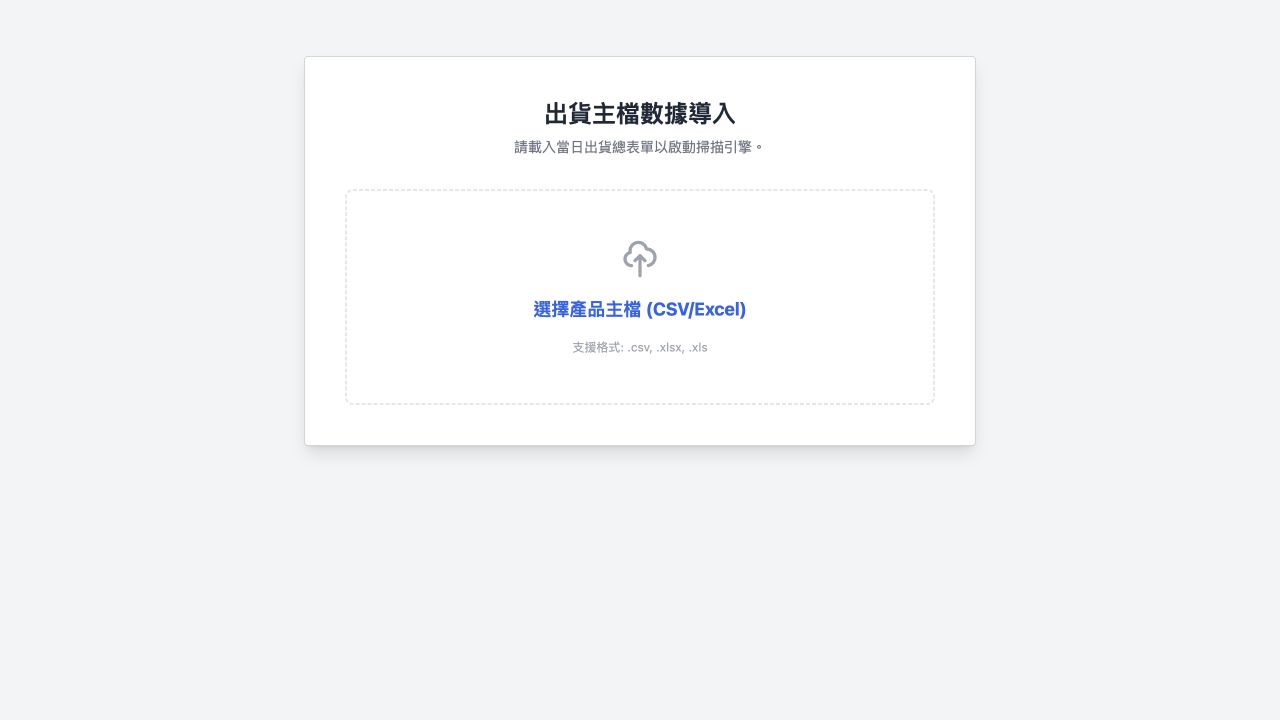
Outcome & evidence

  • Delivered a repeatable research-to-paper-trading foundation with automated tests and explicit safety boundaries.
  • Made strategies extensible without modifying the core package through scaffolding, config files, and external loading.
  • Documents limitations clearly: the framework is research infrastructure, not a claim of profitable or unattended live trading.
UDI Shipping Assistance System — Representative project view
05 Web Client operational system

Apr 2026 - May 2026

UDI Shipping Assistance System

Operational scanning workflow that imports shipment plans, validates GS1 UDI, flags exceptions, and exports auditable completion records.

FastAPISQLiteGS1 UDIExcelDockerIntegration Tests+4
Open case study

Role & ownership

Solution architect & full-stack engineer

Status

Client operational system

Problem to solve

Daily shipping teams needed a safer way to import shipment plans, scan medical-product UDI codes, catch over-scans or mismatches, and produce an auditable end-of-day result.

What I built

  • Modeled the shipment workflow from plan import through order selection, scan validation, review, submission, and final export.
  • Built GS1 Element String, HRI, and Digital Link parsing with internal-product mapping and explicit exception states.
  • Added SQLite persistence, Excel export, database backup, runtime configuration, feature tiers, license handling, Docker packaging, and integration tests.

Technical implementation

  • FastAPI exposes a versioned operational API and serves a focused single-page scanning interface.
  • Browser session state keeps in-progress scans temporary; only confirmed orders are committed to SQLite.
  • Service modules separate plan import, UDI mapping, validation, submission, reporting, and launcher behavior.

Architecture path

  1. 01 Input

    CSV/XLSX shipment plan and scanned GS1 UDI strings enter the operator workspace.

  2. 02 Validation

    UDI parser and mapping data resolve GTIN/UDI-DI, part number, item, and expected quantity.

  3. 03 Workflow API

    FastAPI services manage previews, exception states, submissions, statistics, and session reset.

  4. 04 Records

    Confirmed results persist to SQLite; Excel summaries and a database backup are exported at close.
Outcome & evidence

  • Turns scan exceptions into explicit operator decisions instead of silent shipping errors.
  • Provides auditable order history, daily statistics, Excel settlement, and backup artifacts.
  • Includes route-level unit and real HTTP integration coverage for the operational API.
Multi-box UDI Data Matrix Decoder — Representative project view
06 Data Client computer-vision POC

Mar 2026 - Apr 2026

Multi-box UDI Data Matrix Decoder

Benchmark-driven computer-vision POC for decoding dense carton images into GS1 business fields with safe PASS/REVIEW handling.

PythonOpenCVZXingpylibdmtxGS1 UDIBenchmarking+4
Open case study

Role & ownership

Computer-vision & data engineer

Status

Client computer-vision POC

Problem to solve

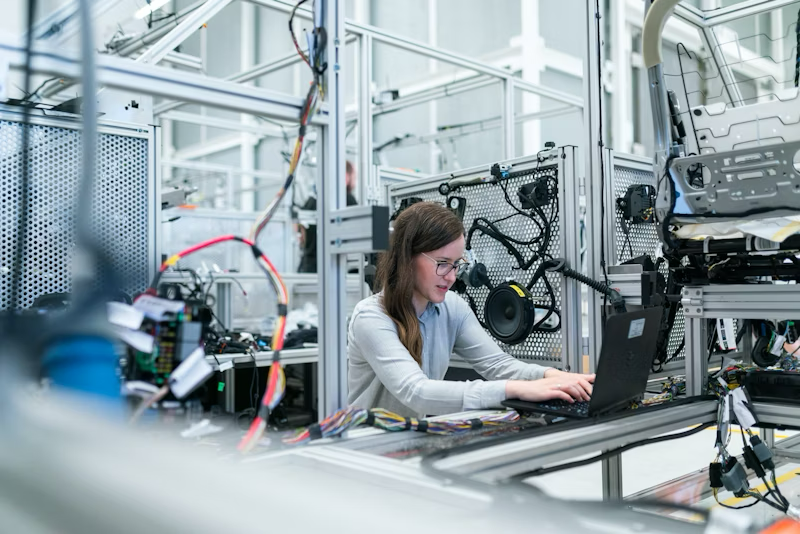
Dense shipping photos can contain many small Data Matrix codes with perspective, occlusion, and repeated cartons. Missing a code must lead to review rather than an unsafe automatic pass.

What I built

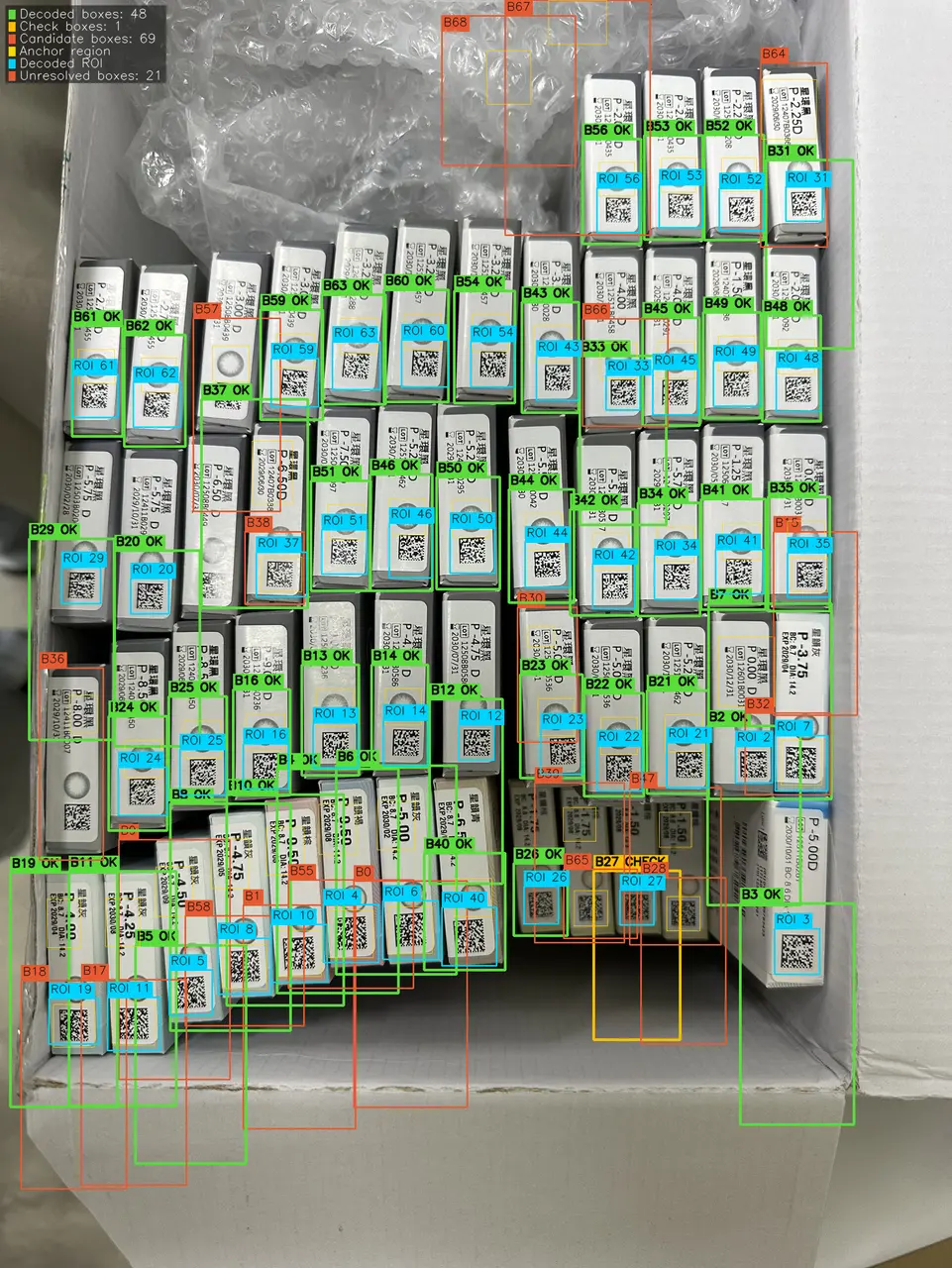
  • Developed a multi-box detection and local-ROI search pipeline tuned for lower-band Data Matrix placement on cartons.
  • Combined multiple decoder engines, GS1 parsing, product mapping, density-aware rescue budgets, and annotated artifact export.
  • Created benchmark histories and PASS/REVIEW gates based on expected counts and decoded completeness.

Technical implementation

  • Candidate boxes are ranked toward complete carton hypotheses, then local regions are searched with scale and scene-density aware budgets.
  • Decoded content is normalized from GS1 element strings or Digital Links into business fields and mapped to internal products.
  • Every run can emit JSON, CSV, candidate data, attempt summaries, benchmark snapshots, and annotated review images.

Architecture path

  1. 01 Image

    Whole shipping image enters product-box proposal and ranking.

  2. 02 ROI search

    Per-box lower-band and rescue strategies generate Data Matrix candidates.

  3. 03 Decode & parse

    ZXing/pylibdmtx decode symbols; GS1 parsing extracts DI, dates, lot, and serial fields.

  4. 04 Business output

    Mapping enrichment, expected-count gate, JSON/CSV artifacts, and annotated review support PASS or REVIEW.
Outcome & evidence

  • Passed the documented fixed five-image suite at 5/5, 5/5, 7/7, 8/8, and 12/12 decoded symbols.
  • Established a stronger dense-scene baseline with 47 decoded symbols on the recorded reference image.
  • Communicates POC limitations and routes incomplete recognition to review rather than claiming universal recall.
888 Card Market Platform — Representative project view
07 Web Client full-stack system

Feb 2026 - Mar 2026

888 Card Market Platform

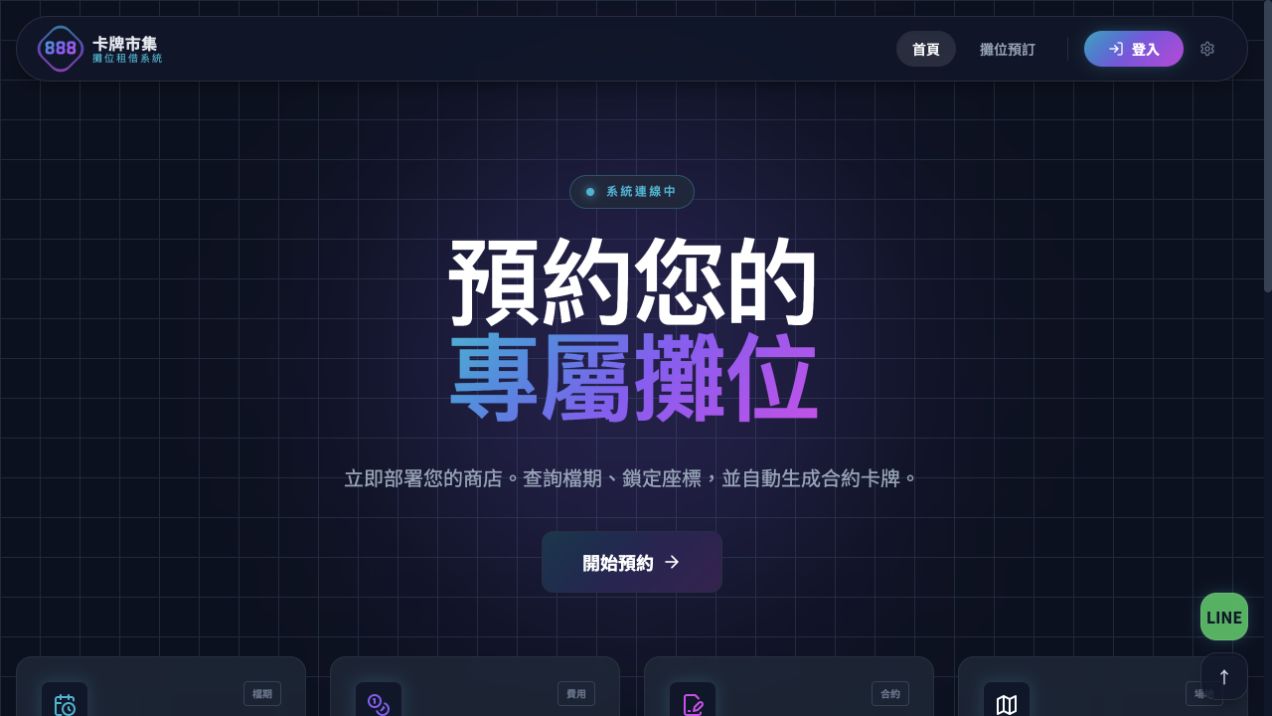
Full-stack vendor reservation and administration system with booth availability, rental inventory, and generated contracts.

Vue 3ExpressMySQLJWTPDFKitDocker+4
Open case study

Role & ownership

Solution architect & full-stack engineer

Status

Client full-stack system

Problem to solve

A physical card market needed one system for brand presentation, vendor onboarding, booth availability, reservations, rental extras, contract generation, and staff administration.

What I built

  • Designed the vendor journey from registration and login through date/booth selection, equipment rental, reservation, and contract creation.
  • Built role-protected admin operations for users, bookings, contracts, open dates, rental inventory, and CSV exchange.
  • Containerized the Vue client, Node API, and MySQL database with an optional Cloudflare tunnel for demonstrations.

Technical implementation

  • Vue 3/Vite single-page frontend with Pinia and route-based Home, Reserve, and Admin experiences.
  • Express/Sequelize API handles JWT auth, availability, reservations, staff roles, uploads, and management endpoints.
  • PDFKit generates Chinese reservation contracts; Docker volumes preserve contracts and MySQL data.

Architecture path

  1. 01 Client

    Vue SPA presents the brand site, vendor reservation flow, and role-aware administration.

  2. 02 API

    Express validates identity and coordinates booth, date, rental, reservation, and admin services.

  3. 03 Domain data

    Sequelize persists members, availability, reservations, and configuration in MySQL.

  4. 04 Documents & delivery

    PDFKit creates contracts in persistent storage; Docker Compose runs client, API, database, and optional tunnel.
Outcome & evidence

  • Delivered an end-to-end demonstrator rather than a disconnected marketing page and admin mockup.
  • Automated reservation contracts and centralized the operational settings staff need to run open market dates.
  • Defined a clear extension path for payments, e-signature, audit logs, object storage, and commerce modules.
Production Planning Copilot — Representative project view
08 GenAI Client AI demonstrator

Nov 2025 - Dec 2025

Production Planning Copilot

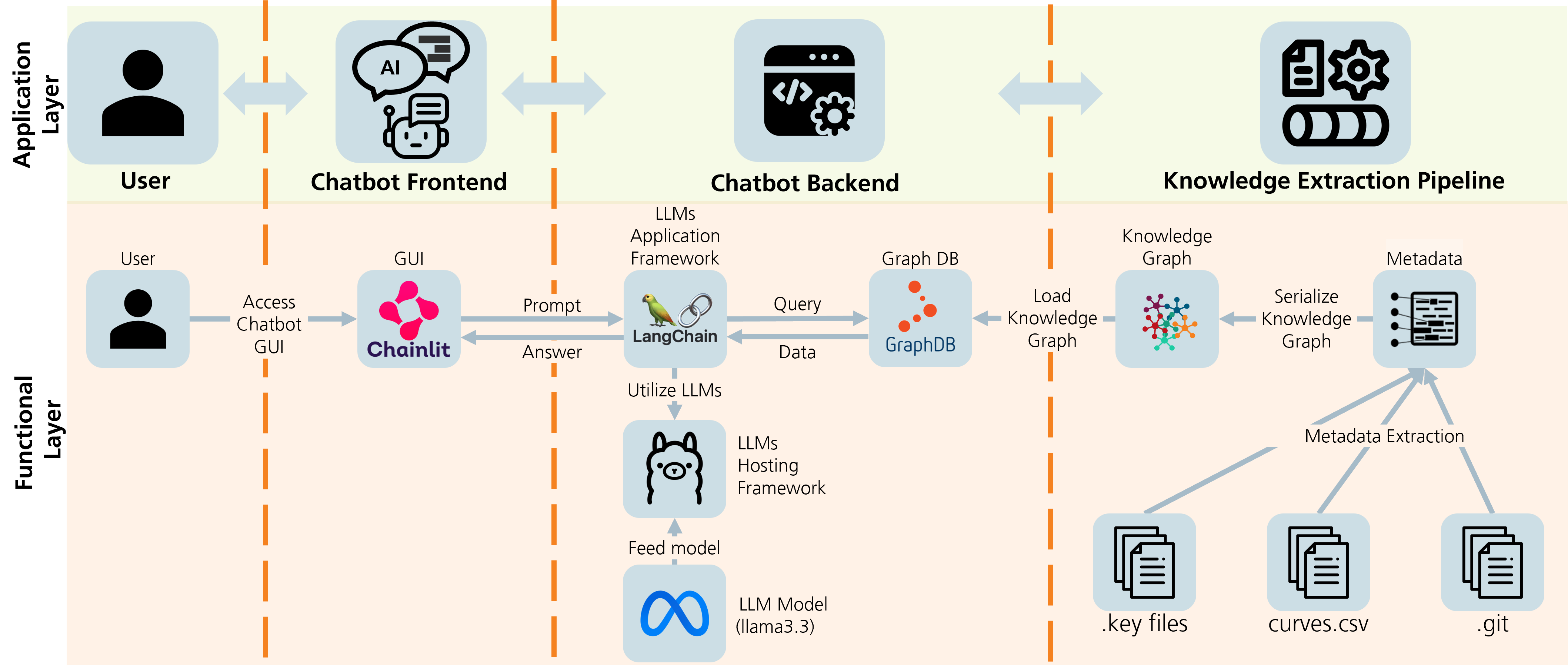
Assistant that transforms product specs into optimized production plans with domain RAG and safety rails.

FastAPIAgentic RAGPostgresNeo4jChromaOllamaChainlitDocker+6
Open case study

Role & ownership

GenAI architect & backend engineer

Status

Client AI demonstrator

Problem to solve

Production planners need to query schedules, facts, constraints, and operating knowledge in natural language without letting an LLM invent production data.

What I built

  • Designed an agentic orchestration layer that routes questions to relational, graph, or vector tools.
  • Built multilingual question/answer pivots, deterministic fallback behavior, seed data, and startup automation.
  • Containerized the complete demonstration stack with isolated API and Chainlit dependencies.

Technical implementation

  • Postgres stores operational facts and schedules; Neo4j represents semantic metadata and relationships.
  • Chroma retrieves planning documents while Ollama provides local embeddings and optional model serving.
  • FastAPI orchestrates Graph-to-SQL and Graph-to-Vector tools; Chainlit provides the conversational demo interface.

Architecture path

  1. 01 Interface

    Chainlit accepts multilingual planning questions and displays grounded responses.

  2. 02 Orchestration

    FastAPI agent classifies intent and routes work to graph, SQL, vector, or translation tools.

  3. 03 Knowledge

    Postgres facts, Neo4j semantics, Chroma documents, and seeded rules provide bounded context.

  4. 04 Runtime

    Docker Compose coordinates API, UI, databases, vector store, and local Ollama services.
Outcome & evidence

  • Demonstrates how LLM interaction can be grounded in operational systems rather than free-form generation.
  • Keeps the demo functional with deterministic templates when external model credentials are unavailable.
  • Separates components and ports so a second stack can run without dependency or service collisions.
Automotive R&D Assistant Chatbot — Representative project view
09 GenAI Enterprise R&D assistant

Oct 2024 - Oct 2025

Automotive R&D Assistant Chatbot

Recommender system with retrieval, grounding, and policy-aware responses for automotive R&D.

RAGGraphRAGChainlitOllamaDocker+3
Open case study

Role & ownership

GenAI & knowledge engineer

Status

Enterprise R&D assistant

Problem to solve

Automotive R&D users needed a private assistant that could retrieve engineering evidence, preserve internal knowledge boundaries, and provide useful answers without sending sensitive content to a public model service.

What I built

  • Designed local-first RAG and GraphRAG retrieval over domain documents and structured knowledge.
  • Built the Chainlit conversational experience, retrieval pipeline, prompt controls, and Docker runtime.
  • Connected LLM, graph, vector, and document services behind a modular Python application.

Technical implementation

  • Ollama provides local model execution; vector retrieval and graph relationships contribute evidence.
  • Python orchestration combines query understanding, retrieval, context assembly, and response generation.
  • Chainlit delivers the chat UI while Docker keeps the full environment reproducible on-premises.

Architecture path

  1. 01 Conversation

    Chainlit captures engineering questions and displays sources and answers.

  2. 02 Retrieval

    RAG and GraphRAG search documents, metadata, and knowledge relationships.

  3. 03 Generation

    A local Ollama model receives bounded evidence and domain prompt instructions.

  4. 04 Deployment

    Docker services keep data, application, and model execution inside the controlled environment.
Outcome & evidence

  • Demonstrated private, grounded GenAI assistance for engineering work rather than a generic chatbot.
  • Combined document retrieval and graph relationships to improve traceability and context.
  • Created an on-premises-friendly architecture aligned with sensitive R&D constraints.
HERAKLION — Representative project view
10 Data Research data space

Mar 2022 - Oct 2025

HERAKLION

Material lifecycle knowledge graph with SPARQL analytics powering sustainability reporting.

PythonKnowledge GraphSPARQLETLCI/CD+3
Open case study

Role & ownership

Backend, data & knowledge engineer

Status

Research data space

Problem to solve

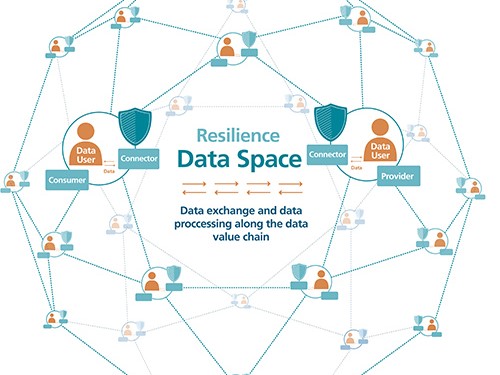
Crisis and resilience stakeholders needed to exchange heterogeneous data with shared meaning, provenance, and reusable analytics across organizational boundaries.

What I built

  • Developed Python data-provider and metadata-extraction components for the resilience data space.
  • Modeled semantic concepts with ontologies and knowledge graphs, then queried them through SPARQL workflows.
  • Contributed requirements, API delivery, CI/CD, documentation, and agile coordination across the project.

Technical implementation

  • Python ETL and APIs normalize source data and publish interoperable metadata.
  • Ontology and graph layers provide shared semantics and queryable relationships.
  • Containerized services and CI/CD support repeatable integration across project partners.

Architecture path

  1. 01 Providers

    Partner systems publish domain data and descriptive metadata.

  2. 02 Interoperability

    Python pipelines normalize payloads and align them to shared semantic models.

  3. 03 Data space

    Connector and governance services exchange data while retaining provenance and control.

  4. 04 Knowledge & apps

    Ontologies, graphs, SPARQL analytics, and resilience applications consume the integrated data.
Outcome & evidence

  • Delivered reusable data and semantic components in a multi-partner research setting.
  • Connected backend engineering with ontology, graph, requirements, and delivery responsibilities.
  • Supported data-driven resilience analysis while preserving the architecture of a distributed data space.

Project links

GraphDB MCP Server — Representative project view
11 GenAI Open-source connector

May 2025 - Jun 2025

GraphDB MCP Server

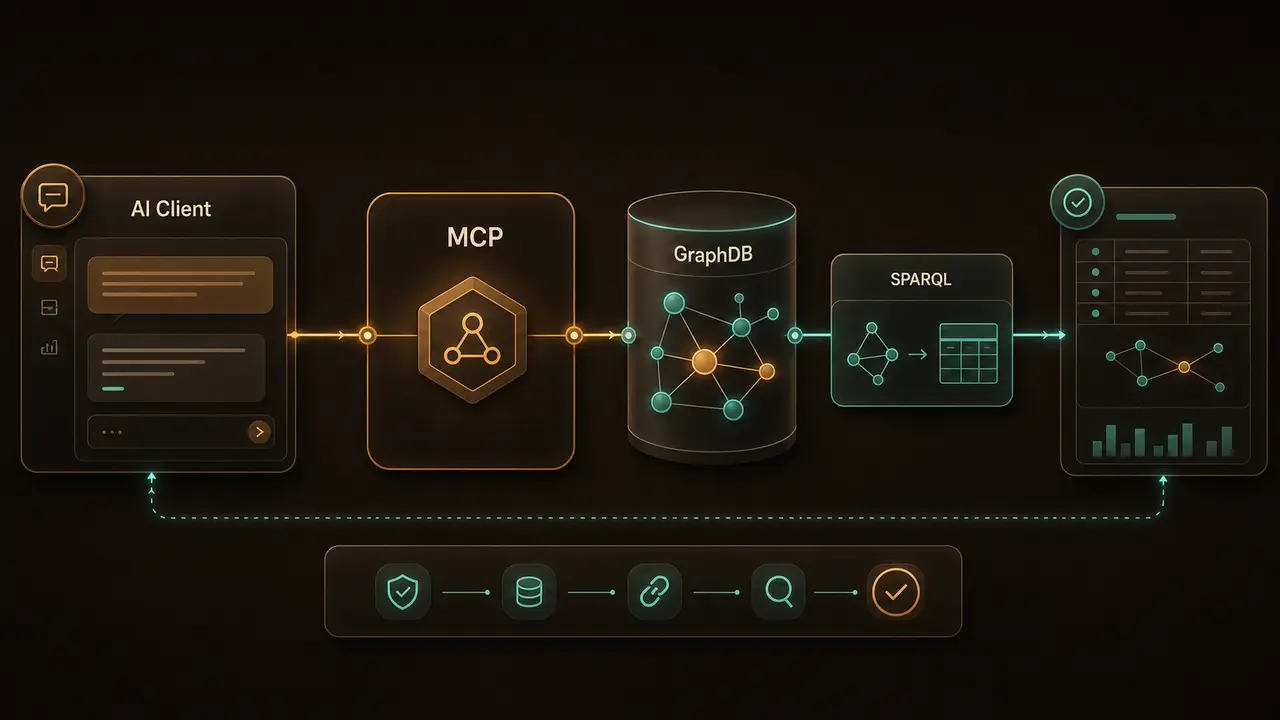
Open-source Model Context Protocol connector that gives LLM clients controlled, read-only access to GraphDB repositories and SPARQL.

MCPGraphDBSPARQLJavaScriptLLM tools+3
Open case study

Role & ownership

Protocol & knowledge-graph engineer

Status

Open-source connector

Problem to solve

LLM clients needed a narrow, read-only way to inspect approved knowledge graphs and execute SPARQL without receiving broad database credentials or write access.

What I built

  • Implemented an MCP server that exposes GraphDB repository discovery and read-only SPARQL operations as model tools.
  • Defined the protocol boundary between conversational clients and the semantic database.
  • Published the connector and its usage documentation as an open-source repository.

Technical implementation

  • JavaScript MCP server accepts structured tool requests from compatible LLM clients.
  • GraphDB HTTP endpoints execute repository discovery and read-only SPARQL queries.
  • Responses are normalized for conversational use while the server preserves a constrained access surface.

Architecture path

  1. 01 LLM client

    An MCP-compatible assistant requests graph discovery or a bounded query.

  2. 02 MCP server

    Tool schemas validate requests and enforce the read-only connector boundary.

  3. 03 GraphDB

    Repository APIs and SPARQL endpoints evaluate approved semantic queries.

  4. 04 Grounded result

    Normalized graph results return to the model for explanation or downstream reasoning.
Outcome & evidence

  • Shows practical integration of the Model Context Protocol with enterprise semantic infrastructure.
  • Reduces the privilege surface by focusing the public connector on read-only graph access.
  • Reuses knowledge-graph experience from sustainability and R&D systems in a portable developer tool.

Project links

Ollama Docker Deployment — Representative project view
12 GenAI Open-source deployment

Apr 2024 - Mar 2025

Ollama Docker Deployment

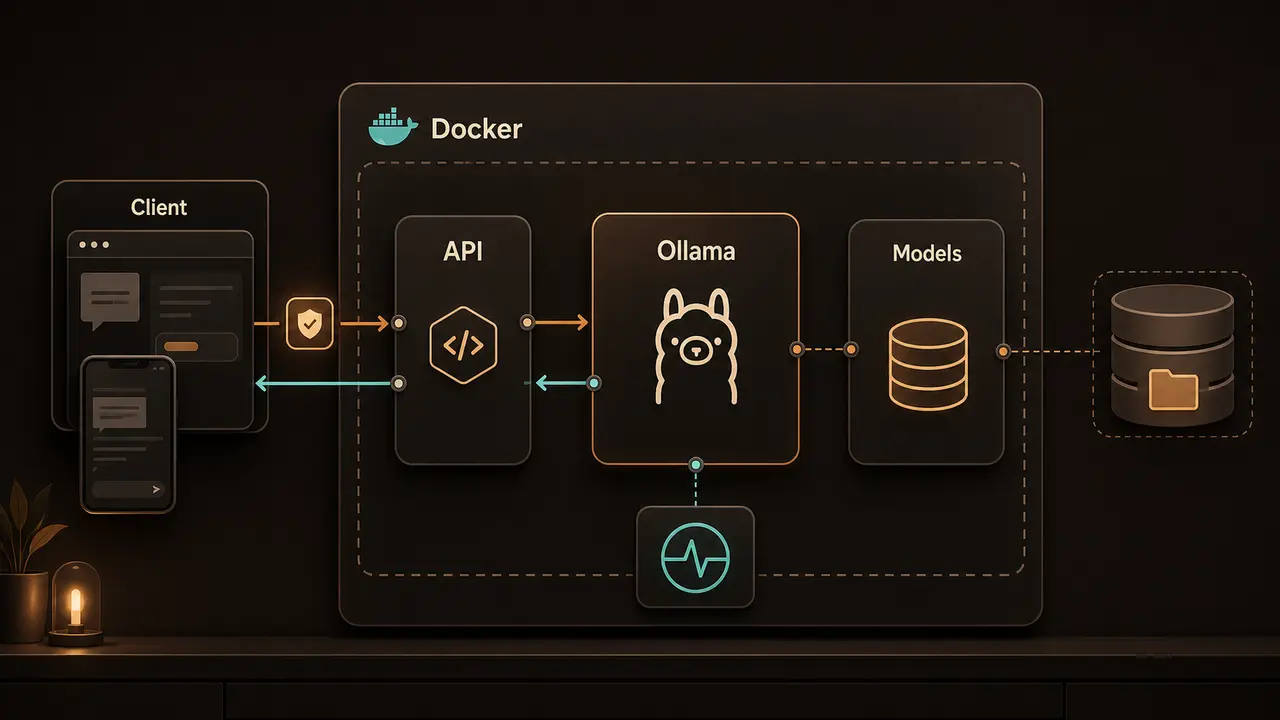
Reproducible container setup for local LLM serving, persistence, service integration, and hosted demonstrations.

OllamaDocker ComposePythonAzureREST+3
Open case study

Role & ownership

Backend & DevOps engineer

Status

Open-source deployment

Problem to solve

Local LLM experimentation becomes difficult to reproduce when model serving, dependencies, persistence, and network settings are installed manually on each machine.

What I built

  • Packaged Ollama and its supporting service configuration into a repeatable Docker Compose workflow.
  • Documented model startup, persistence, environment settings, and deployment paths.
  • Published a public repository and hosted demonstration endpoint for easier evaluation.

Technical implementation

  • Docker Compose defines the model runtime, service networking, volumes, and application dependencies.
  • Python service code exposes health and model-facing integration points for local or hosted use.
  • Environment-based configuration keeps development and cloud deployment paths aligned.

Architecture path

  1. 01 Client

    Local applications or API users send prompts or health requests.

  2. 02 Application service

    Python integration layer validates and forwards model operations.

  3. 03 Model runtime

    Ollama serves configured models inside an isolated container with persistent storage.

  4. 04 Delivery

    Docker Compose runs locally; the same configuration can be adapted for hosted demonstrations.

Outcome & evidence

  • Makes a multi-service local LLM environment reproducible with one documented startup path.
  • Provides a reusable base for later RAG, chatbot, and copilot prototypes.
  • Demonstrates container, API, and model-runtime integration beyond notebook experimentation.

Project links

E-commerce Platform — Representative project view
13 Web Founder-led product

May 2023 - May 2024

E-commerce Platform

Shop build, payments, and marketing analytics for Aurore Collection.

E-commercePaymentsAnalyticsSEOGrowth+3
Open case study

Role & ownership

Co-founder, product owner & web builder

Status

Founder-led product

Problem to solve

A new jewelry brand needed a credible online storefront and an operating model that connected discovery, checkout, fulfillment, analytics, and marketing experiments.

What I built

  • Owned the product from business model and site structure through launch, payments, content, and fulfillment.
  • Implemented analytics and conversion tracking to support marketing decisions.
  • Coordinated a lean remote team, vendors, and ongoing product operations.

Technical implementation

  • Responsive storefront and structured product content supported search, browsing, and checkout.
  • Payment, fulfillment, and analytics services formed the operational commerce stack.
  • Campaign and conversion signals fed iterative content and growth decisions.

Architecture path

  1. 01 Acquisition

    Social, campaign, and search traffic lands on product and collection content.

  2. 02 Storefront

    Responsive catalog, product detail, cart, and checkout guide purchase decisions.

  3. 03 Commerce services

    Payments, order handling, fulfillment, and customer communication support operations.

  4. 04 Learning loop

    Analytics and conversion tracking inform marketing and product iteration.

Outcome & evidence

  • Launched a complete commerce experience rather than only a brand site.
  • Demonstrated product ownership across design, implementation, operations, marketing, and team coordination.
  • Used evidence from analytics to guide growth experiments and conversion work.
ZHFLU-Union Website — Representative project view
14 Web Public information site

Feb 2023 - Mar 2023

ZHFLU-Union Website

Union information site with clear navigation and member resources.

HTMLCSSJavaScriptAWS AmplifyGitHub+3
Open case study

Role & ownership

Frontend & deployment engineer

Status

Public information site

Problem to solve

A labor union needed an accessible public information hub that members could navigate easily and maintain through a simple deployment workflow.
What I built

  • Designed and built the responsive information architecture, content pages, and interaction patterns.
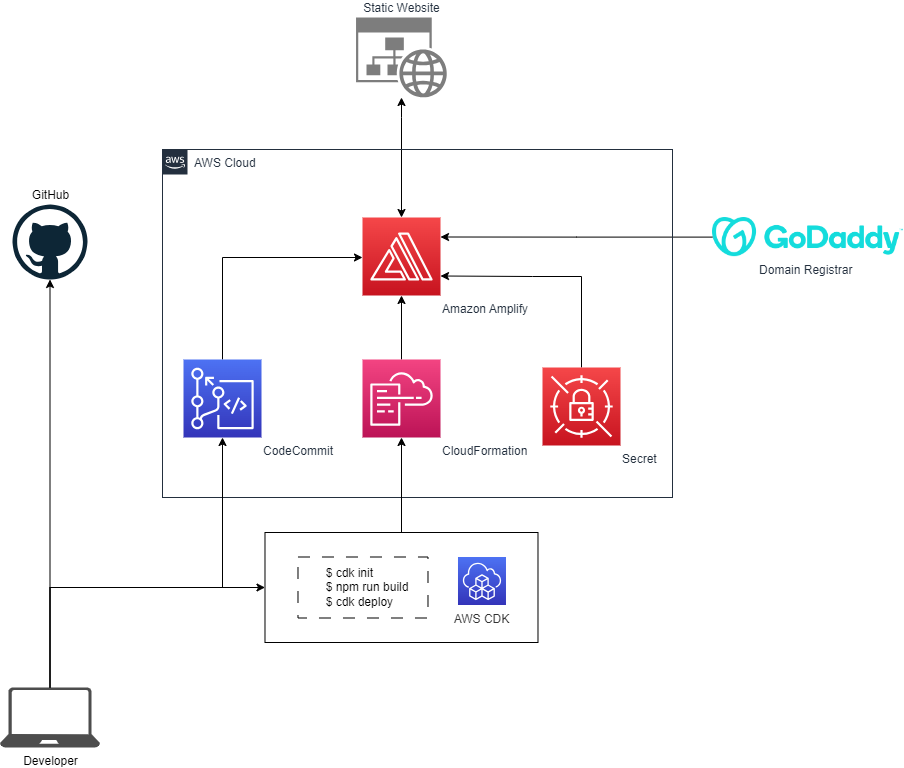
  • Connected GitHub source control to AWS Amplify deployment and the production domain.
  • Structured member resources so important information could be found without a complex CMS.

Technical implementation

  • Static HTML/CSS/JavaScript keeps the public site fast, portable, and inexpensive to operate.
  • GitHub provides versioned content and code; AWS Amplify builds and deploys each approved update.
  • Domain routing exposes the published site to members and the public.

Architecture path

ZHFLU-Union Website — Technical architecture diagram
  1. 01 Source

    Website code and content are versioned in GitHub.

  2. 02 Build

    AWS Amplify detects changes and produces the static deployment.

  3. 03 Hosting

    Amplify serves the generated assets through managed web infrastructure.

  4. 04 Domain

    DNS connects the public zhflu.org address to the hosted site.
Outcome & evidence

  • Delivered a responsive public resource for union information and member content.
  • Established a straightforward source-to-production deployment path.
  • Kept operations simple by choosing static delivery for a content-focused requirement.

Project links

NNs for XOR-Logic Prediction — Representative project view
15 Data Learning demonstrator

Apr 2022

NNs for XOR-Logic Prediction

Small neural net demo for logical gates with lightweight visualization.

PythonNumPyNeural NetworksVisualization+2
Open case study

Role & ownership

Machine-learning engineer

Status

Learning demonstrator

Problem to solve

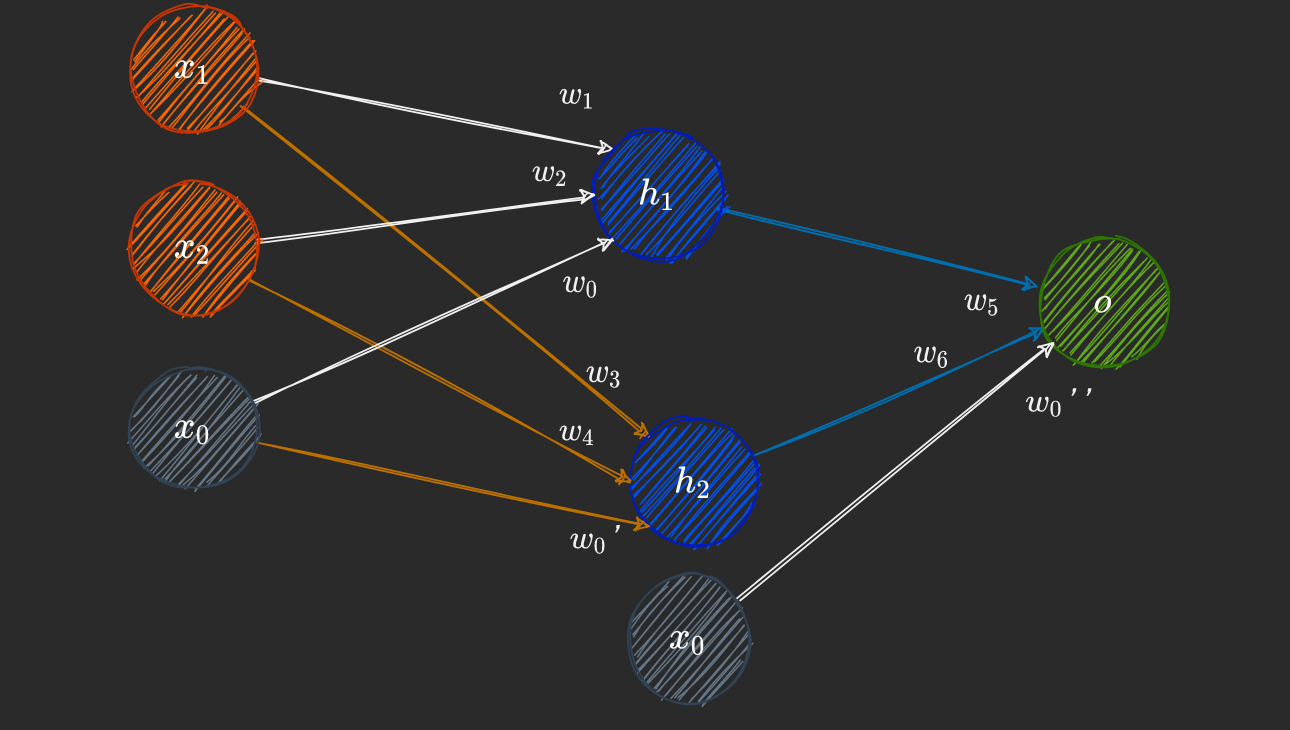
XOR is not linearly separable, so it is a compact way to demonstrate why a single perceptron fails and how hidden layers learn nonlinear decision boundaries.

What I built

  • Implemented and compared simple neural-network structures for logic prediction.
  • Visualized training behavior and predictions in a small reproducible demonstration.
  • Documented the experiment as a public learning repository.

Technical implementation

  • NumPy represents inputs, weights, activations, loss, and parameter updates.
  • A hidden layer introduces nonlinear features required to separate XOR classes.
  • Plots and predictions make training behavior inspectable rather than presenting only final accuracy.

Architecture path

  1. 01 Inputs

    Binary pairs and expected XOR labels form the training set.

  2. 02 Model

    A multilayer perceptron applies weighted transforms and nonlinear activations.

  3. 03 Learning

    Loss gradients update network parameters over repeated epochs.

  4. 04 Evidence

    Predictions and visualizations show whether the learned boundary solves XOR.
Outcome & evidence

  • Demonstrates the practical difference between linear and nonlinear models.
  • Provides a concise public artifact for core neural-network understanding.
  • Shows the ability to explain model behavior with visual evidence.

Project links

ADAM-SusTrace — Representative project view
16 Data Sustainability data prototype

Oct 2021 - Feb 2022

ADAM-SusTrace

Data pipeline and visualization for sustainability scoring across additive manufacturing processes.

PythonLCAOntologyKnowledge GraphVisualization+3
Open case study

Role & ownership

Data & knowledge engineer

Status

Sustainability data prototype

Problem to solve

Additive-manufacturing sustainability data spans materials, process steps, energy, and lifecycle impacts, making consistent traceability and comparison difficult.

What I built

  • Modeled manufacturing and lifecycle concepts as an ontology and knowledge graph.
  • Built Python data-processing steps for lifecycle and sustainability indicators.
  • Created a traceable prototype that connects source data, semantic context, and visual analysis.

Technical implementation

  • Process and material records are cleaned and aligned to lifecycle-assessment concepts.
  • Ontology and graph structures preserve relationships and provenance across manufacturing stages.
  • Python analytics derive indicators that can be presented in dashboards or reports.

Architecture path

  1. 01 Sources

    Material, machine, energy, and process records provide lifecycle evidence.

  2. 02 Data pipeline

    Python validates, transforms, and aligns heterogeneous records.

  3. 03 Semantic layer

    Ontology and knowledge graph connect products, steps, resources, and impacts.

  4. 04 Analysis

    Queries and visualizations expose traceability and sustainability indicators.
Outcome & evidence

  • Established a graph-first foundation for digital traceability in additive manufacturing.
  • Connected lifecycle assessment with practical data engineering and semantic modeling.
  • Prepared reusable patterns later applied in larger research and data-space projects.
Composite Impact Modeling — Representative project view
17 Mechanics Research simulation

Mar 2021 - Sep 2021

Composite Impact Modeling

Delamination modeling and visualization for high-speed helicopter components.

LS-DYNAHyperMeshFEMPythonASTM D7136+3
Open case study

Role & ownership

Mechanical simulation engineer

Status

Research simulation

Problem to solve

Composite helicopter components can sustain internal delamination after impact even when surface damage is limited; simulation needs to reproduce the loading and failure behavior credibly.


What I built

  • Prepared composite geometry, mesh, material definitions, contacts, and impact boundary conditions.
  • Ran LS-DYNA impact analyses aligned with ASTM D7136 test principles.
  • Used Python to post-process force, energy, displacement, and delamination results.

Technical implementation

  • HyperMesh builds and checks the layered finite-element model.
  • LS-DYNA solves the transient impact response with composite failure and contact behavior.
  • Python extracts and compares key histories and spatial damage indicators.

Architecture path

  1. 01 Model

    Composite layup, geometry, mesh, materials, contacts, and impactor define the simulation.

  2. 02 Solve

    LS-DYNA calculates transient stress, deformation, energy, and damage evolution.

  3. 03 Post-process

    Python parses solver outputs into comparable engineering indicators.

  4. 04 Validate

    Results are reviewed against test setup, physical expectations, and delamination patterns.
Outcome & evidence

  • Produced an interpretable impact and delamination model for composite structures.
  • Combined CAE setup, explicit dynamics, standards awareness, and scripted analysis.
  • Turned large solver outputs into evidence suitable for engineering decisions.
Hybrid Joint Modeling — Representative project view
18 Mechanics Master's thesis

May 2020 - Jan 2021

Hybrid Joint Modeling

Failure modeling for hybrid lap joints under tensile loading in LS-DYNA.

LS-DYNAHyperMeshCohesive ZonePython+2
Open case study

Role & ownership

Mechanical simulation researcher

Status

Master's thesis

Problem to solve

Single-lap aluminum–CFRP hybrid joints fail through interacting adhesive, interface, and structural mechanisms that are difficult to observe directly in tests.

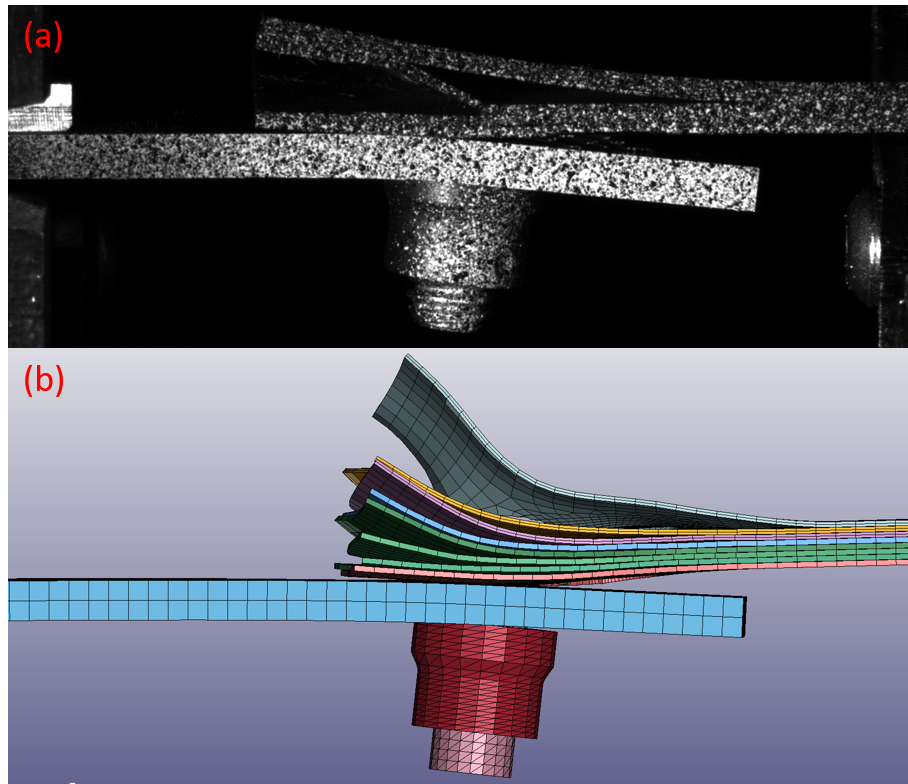
What I built

  • Built and calibrated finite-element models for the hybrid lap-joint specimens.
  • Applied cohesive-zone behavior to represent adhesive initiation and progressive failure.
  • Automated result extraction and compared simulated force/displacement and failure patterns with experiments.

Technical implementation

  • HyperMesh defines joint geometry, mesh, contacts, and material/adhesive regions.
  • LS-DYNA solves tensile loading and progressive interface damage.
  • Python post-processing aligns simulation outputs with experimental curves and failure observations.

Architecture path

  1. 01 Experiment

    Specimen geometry, materials, boundary conditions, and tensile measurements define the reference.

  2. 02 FE model

    Metal, CFRP, adhesive, mesh, contacts, and cohesive parameters represent the joint.

  3. 03 Simulation

    LS-DYNA calculates load transfer and progressive damage under tensile loading.

  4. 04 Comparison

    Python aligns curves and failure modes to evaluate model credibility.
Outcome & evidence

  • Completed a thesis-level simulation and validation workflow with excellent academic evaluation.
  • Demonstrated understanding of composite/metal joining, nonlinear failure, and model calibration.
  • Built reusable Python analysis steps around commercial CAE outputs.
Sustainability Assessment — Representative project view
19 Data Decision-analysis project

Oct 2019 - Feb 2020

Sustainability Assessment

AHP model to rank sustainability criteria across materials and processes.

PythonAHPWSMTOPSISExcel+3
Open case study

Role & ownership

Data analyst

Status

Decision-analysis project

Problem to solve

Sustainability choices combine environmental, economic, and social criteria with different units and stakeholder priorities, so a transparent ranking method was required.

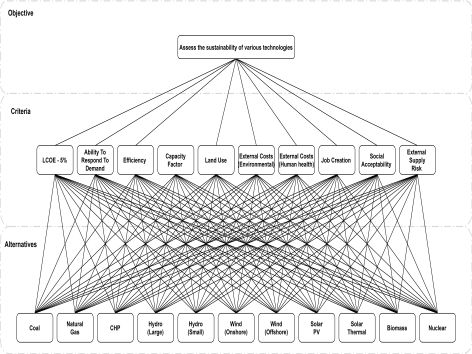
What I built

  • Structured the decision hierarchy and pairwise-comparison inputs for Analytic Hierarchy Process weighting.
  • Implemented AHP consistency checks and alternative rankings with weighted-sum and TOPSIS methods.
  • Built Python/Excel data flows and visualizations to make assumptions and sensitivity visible.

Technical implementation

  • Excel inputs capture criteria, alternatives, and stakeholder judgments.
  • Python/NumPy calculates normalized matrices, priority vectors, and consistency ratios.
  • WSM and TOPSIS compare alternatives and provide cross-method validation.

Architecture path

  1. 01 Decision model

    Goal, criteria, subcriteria, alternatives, and pairwise judgments define the hierarchy.

  2. 02 Weighting

    AHP derives criteria priorities and checks judgment consistency.

  3. 03 Ranking

    WSM and TOPSIS score alternatives under the selected weights.

  4. 04 Review

    Tables and plots expose ranking, sensitivity, and disagreements between methods.
Outcome & evidence

  • Produced an auditable sustainability decision model instead of an opaque single score.
  • Demonstrated operations research, data preparation, numerical implementation, and stakeholder framing.
  • Published the implementation as a reusable public repository.

Project links

Cyclic Stress Loading Test — Representative project view
20 Mechanics Experimental engineering

Oct 2019 - Feb 2020

Cyclic Stress Loading Test

Test rig and analysis for small-scale material fatigue under cyclic stress.

PythonMotor ControlFatigueLPBFData Analysis+3
Open case study

Role & ownership

Test & automation engineer

Status

Experimental engineering

Problem to solve


Small additively manufactured specimens needed controlled cyclic loading and repeatable data capture to investigate fatigue behavior.

What I built

  • Designed the loading concept and integrated motor control, fixtures, sensing, and specimen handling.
  • Implemented Python control and data-acquisition logic for repeatable cycles.
  • Processed the resulting load/cycle data and documented experimental limitations.

Technical implementation

  • Command logic controls the actuator and repeated loading profile.
  • Sensors record mechanical response while safety and stop conditions protect the setup.
  • Python turns raw samples into fatigue plots and comparison data.

Architecture path

  1. 01 Test definition

    Specimen, load amplitude, cycle profile, and stop conditions define the experiment.

  2. 02 Control

    Python commands the motor/actuator and coordinates acquisition.

  3. 03 Measurement

    Sensors record the mechanical response over repeated cycles.

  4. 04 Analysis

    Processed histories expose fatigue behavior and differences between specimens.
Outcome & evidence

  • Built a complete experiment from mechanical concept through control and analysis.
  • Combined hardware, software, and materials understanding in one project.
  • Created repeatable data rather than relying on manual observations alone.
Energy Market Analysis — Representative project view
21 Data Energy analytics

Apr 2019 - Jul 2019

Energy Market Analysis

Market value evaluation for wind and solar across electricity markets.

PythonPandasTime SeriesEnergy Markets+2
Open case study

Role & ownership

Data analyst

Status

Energy analytics

Problem to solve

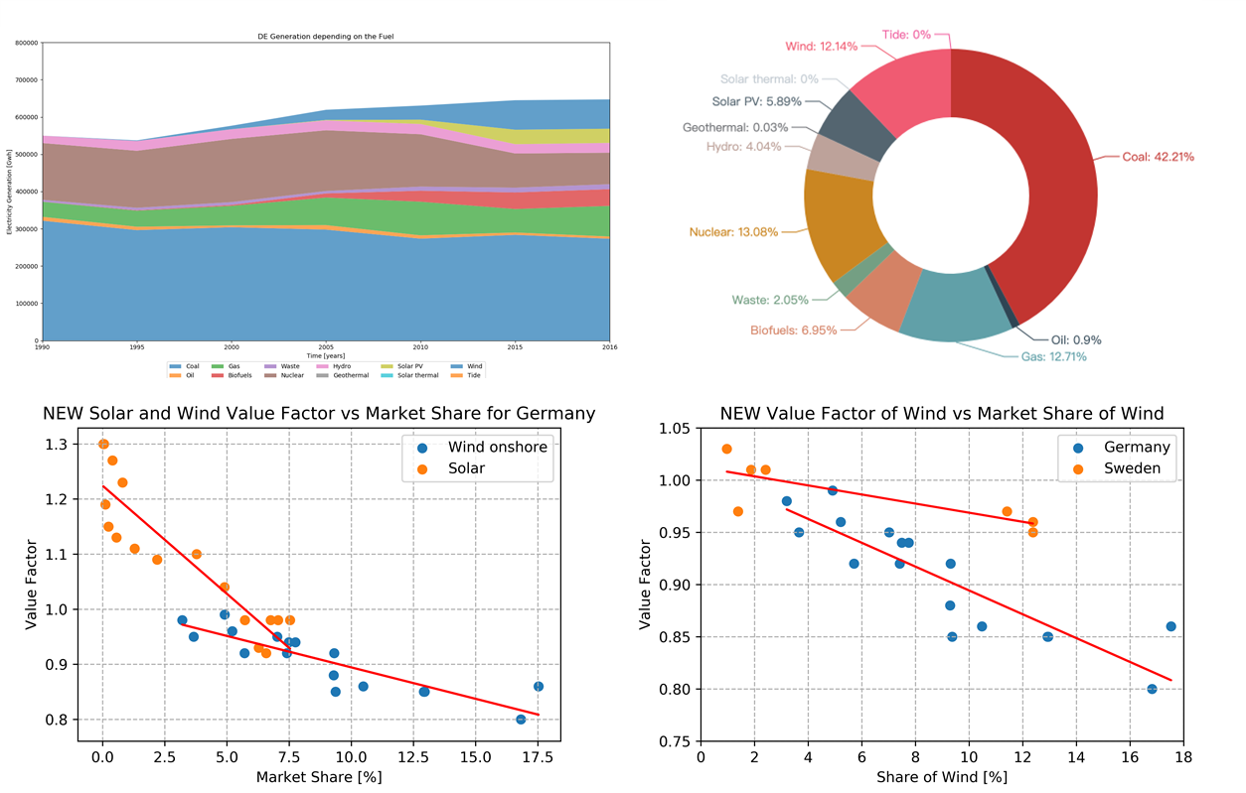
Wind and solar generation have different market value because production profiles interact with time-varying electricity prices, not just annual energy totals.

What I built

  • Prepared generation and electricity-price time series for consistent market-value comparison.
  • Implemented capture-price and value-factor calculations for wind and solar scenarios.
  • Created plots and documentation that explain the relationship between timing and revenue.

Technical implementation

  • Pandas aligns hourly or interval generation with market-price data.
  • Python calculates weighted capture prices, value factors, and scenario comparisons.
  • Visualizations communicate temporal patterns and differences between technologies.

Architecture path

  1. 01 Inputs

    Renewable generation profiles and electricity market prices provide aligned time series.

  2. 02 Preparation

    Python cleans timestamps, gaps, units, and comparable periods.

  3. 03 Valuation

    Capture price and value-factor calculations quantify market value.

  4. 04 Interpretation

    Plots and scenarios explain why technology value differs by timing and market.
Outcome & evidence

  • Translated energy-market theory into a reproducible analytical workflow.
  • Demonstrated time-series preparation, quantitative modeling, and clear visualization.
  • Published the analysis as a public Python repository.

Project links

Solar Cells Comparison — Representative project view
22 Data Laboratory analysis

Apr 2019 - Jul 2019

Solar Cells Comparison

Lab study comparing PV cell performance with structured reporting.

PVI-V CurvesPythonLaboratoryLaTeX+3
Open case study

Role & ownership

Renewable-energy analyst

Status

Laboratory analysis

Problem to solve

Photovoltaic cells and module configurations respond differently to irradiance, mismatch, and bypass behavior, requiring controlled measurement and comparable analysis.

What I built

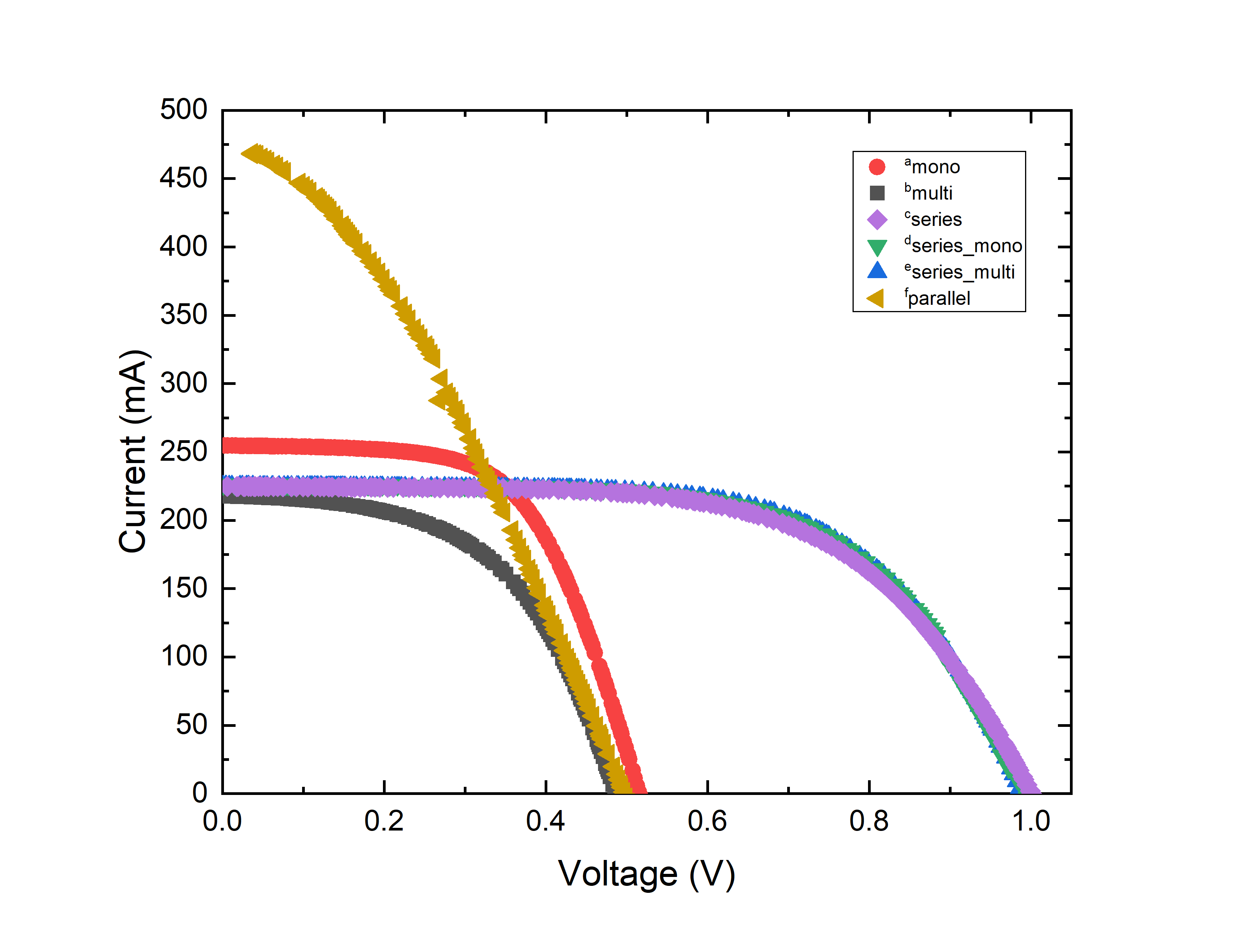
  • Planned and performed photovoltaic I-V measurement comparisons.
  • Analyzed cell/module behavior and bypass-diode effects with Python.
  • Produced a structured technical report with figures and experimental interpretation.

Technical implementation

  • The laboratory setup captures voltage/current pairs under controlled conditions.
  • Python calculates key PV indicators and overlays comparable I-V curves.
  • LaTeX integrates methods, results, plots, and discussion into a reproducible report.

Architecture path

  1. 01 Experiment

    PV device, illumination, load sweep, sensors, and bypass configuration define each run.

  2. 02 Acquisition

    Voltage/current samples record the device response across the operating range.

  3. 03 Analysis

    Python derives characteristic points and compares I-V curve behavior.

  4. 04 Report

    LaTeX combines method, evidence, limitations, and engineering conclusions.
Outcome & evidence

  • Connected renewable-energy theory with controlled physical measurement.
  • Created comparable visual evidence for cell, module, and bypass behavior.
  • Demonstrated laboratory practice, scripting, and technical communication.
Spectroscopic Data Processing — Representative project view
23 Data Biomedical signal research

Feb 2018 - Sep 2018

Spectroscopic Data Processing

Signal processing pipeline for microalbumin test spectra in MATLAB.

MATLABSpectroscopySignal ProcessingArduino+2
Open case study

Role & ownership

Research assistant & data analyst

Status

Biomedical signal research

Problem to solve

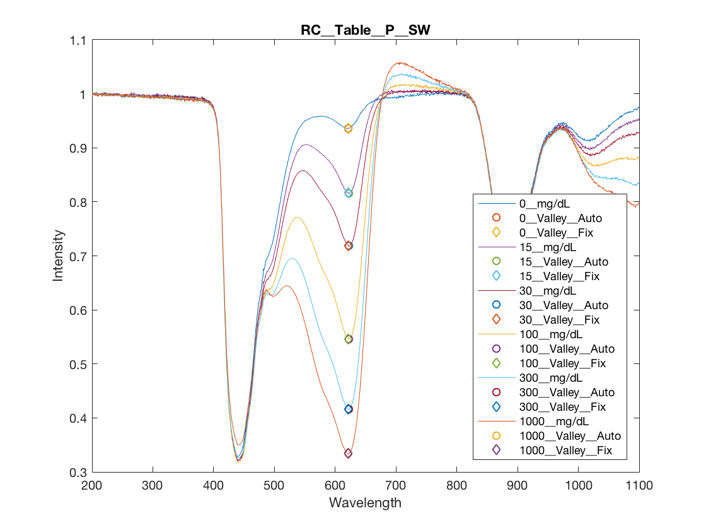
Microalbumin spectroscopy signals contained baseline drift and measurement noise that obscured concentration-related patterns.

What I built

  • Prepared and inspected spectral datasets from the laboratory measurement workflow.
  • Implemented baseline correction and polynomial fitting in MATLAB.
  • Supported measurement integration and repeatability with Arduino-connected experimental hardware.

Technical implementation

  • Spectrometer and experimental electronics generate raw intensity/wavelength records.
  • MATLAB performs preprocessing, baseline estimation, correction, fitting, and visualization.
  • Processed spectra are compared across samples to expose usable analytical patterns.

Architecture path

  1. 01 Measurement

    Sample, light source, spectrometer, and Arduino-linked controls produce raw spectra.

  2. 02 Preprocessing

    MATLAB imports, aligns, filters, and inspects the signal.

  3. 03 Correction

    Polynomial baseline modeling separates drift from the analytical spectrum.

  4. 04 Interpretation

    Corrected curves and fitted features support concentration comparison.
Outcome & evidence

  • Converted noisy laboratory spectra into interpretable analytical data.
  • Built an early bridge between physical experiments, embedded controls, and data processing.
  • Demonstrated signal-quality judgment rather than treating preprocessing as a black box.
Injection Molding Manufacturing — Representative project view
24 Mechanics Manufacturing project

Sep 2015 - Jan 2016

Injection Molding Manufacturing

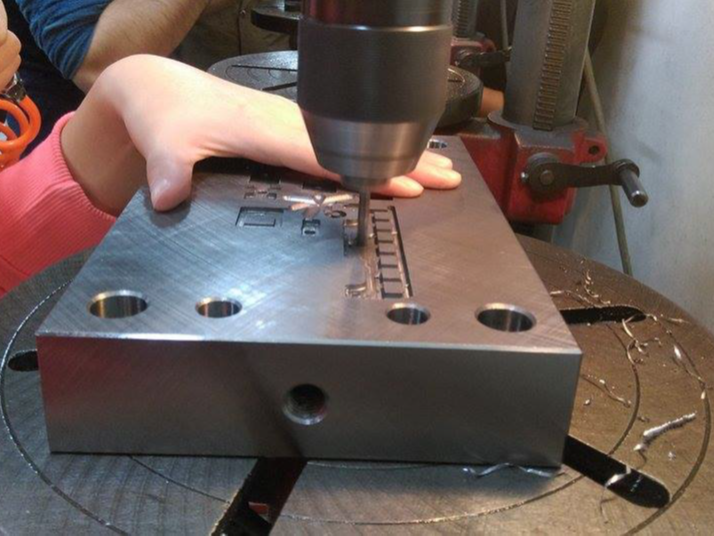
Process follow-up and testing for switchboard parts manufacturing.

SolidWorksMoldex3DCNCInjection Molding+2
Open case study

Role & ownership

Mechanical design & manufacturing engineer

Status

Manufacturing project

Problem to solve

An injection-molded component required coordinated product geometry, mold design, process simulation, machining, molding, and quality follow-up.

What I built

  • Created product and tooling geometry in SolidWorks.
  • Used Moldex3D to review fill behavior and process risks before manufacturing.
  • Supported CNC/tooling work, molding trials, inspection, and corrective iteration.

Technical implementation

  • CAD defines the part, mold, and manufacturing interfaces.
  • Moldex3D simulates filling and highlights likely process or design issues.
  • CNC tooling, injection trials, and inspection close the loop with physical evidence.

Architecture path

  1. 01 Design

    Requirements become part geometry and mold/tooling concepts.

  2. 02 Simulation

    Mold-flow analysis evaluates filling, pressure, cooling, and defect risk.

  3. 03 Manufacture

    CNC and tooling preparation enable injection-molding trials.

  4. 04 Quality loop

    Inspection and test results drive revisions to design or process settings.
Outcome & evidence

  • Worked across the complete design-to-manufacturing lifecycle.
  • Used simulation to inform physical process decisions before and during trials.
  • Developed practical experience coordinating CAD, tooling, production, and quality.
Automatic Flight Control — Representative project view
25 Mechanics Embedded control project

Mar 2015 - Jun 2015

Automatic Flight Control

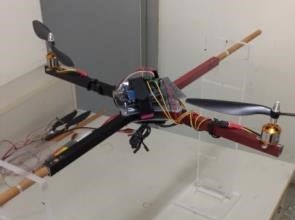
Quadcopter flight control design and testing with sensor feedback.

ArduinoC++PIDIMUMotor Control+3
Open case study

Role & ownership

Control & embedded engineer

Status

Embedded control project

Problem to solve

A quadcopter must estimate attitude and continuously correct four motor outputs fast enough to remain stable despite sensor noise and disturbances.

What I built

  • Integrated the frame, motors, ESCs, sensors, power system, and microcontroller.
  • Implemented sensor reading, attitude estimation, PID control, and motor mixing in embedded code.
  • Tuned and tested the controller iteratively with safety-conscious ground and flight checks.

Technical implementation

  • IMU measurements are filtered into roll, pitch, and yaw estimates.
  • PID loops compare desired and measured attitude and calculate corrective control signals.
  • Motor mixing converts control outputs into four ESC commands for the airframe.

Architecture path

  1. 01 Sensing

    IMU measurements capture angular rate and acceleration.

  2. 02 Estimation

    Embedded filtering produces a stable attitude estimate.

  3. 03 Control

    PID loops calculate roll, pitch, yaw, and throttle corrections.

  4. 04 Actuation

    Motor mixing and ESC signals adjust four propellers; motion feeds back to the sensors.

Outcome & evidence

  • Built an end-to-end real-time feedback system across hardware and software.
  • Developed practical understanding of noisy sensors, controller tuning, and actuator limits.
  • Established an early foundation for later automation, data, and systems engineering work.

Skills

Skills at a glance

Four capability areas, from AI systems to product delivery and engineering foundations. Expand any row for the full toolkit.

01
Applied intelligence

AI & Knowledge Systems

Grounded assistants, agent workflows, semantic data, and evaluation.

View toolkit

Orchestration

LangChainLangChain LangGraphLangGraph LlamaIndexLlamaIndex Agentic workflows

Semantic modeling

SPARQL GraphDB Neo4j Ontology Knowledge Graphs

Experience & quality

Ollama Chainlit RAG GraphRAG Chroma Prompt Ops Evaluation
02
Software systems

Software & Data Engineering

APIs, data pipelines, tests, and deployable runtimes.

View toolkit

Data pipelines & analytics

PythonPython SQL Postgres PandasPandas ETL SQLite Backtrader Shioaji OpenCV GS1 UDI ZXing

Application layer

FastAPIFastAPI FlaskFlask REST APIs JavaScript HTML/CSS Vue 3 Node.js / Express Telegram Bot

Runtime & reliability

DockerDocker Cloudflare Supabase OAuth MySQL Playwright Pytest
03
Product execution

Product & Delivery

From requirements to coordinated, repeatable delivery.

View toolkit

Frame & lead

Product ownership Requirements Agile / Scrum Risk tracking Solution architecture Client delivery

Version & deliver

Git / GitLab GitHub ActionsGitHub Actions CI/CD Jira / Notion LaTeX
04
Engineering foundation

Mechanical & Systems

Physical modeling, simulation, control, and experimentation.

View toolkit

Modeling & simulation

FEM LS-DYNALS-DYNA CAD Simulation Moldex3D

Physical systems

Arduino Control systems Experimentation Signal processing

Let's collaborate

Need a builder for your next AI product?

I'm open to consulting, fractional leadership, or full-time roles that value pragmatic shipping.

Taipei, Taiwan Global · Remote-friendly Mandarin / English / German